
The Confidence Cycle: How Dancers Learn to Believe in Themselves
- 5 hours ago
- 4 min read
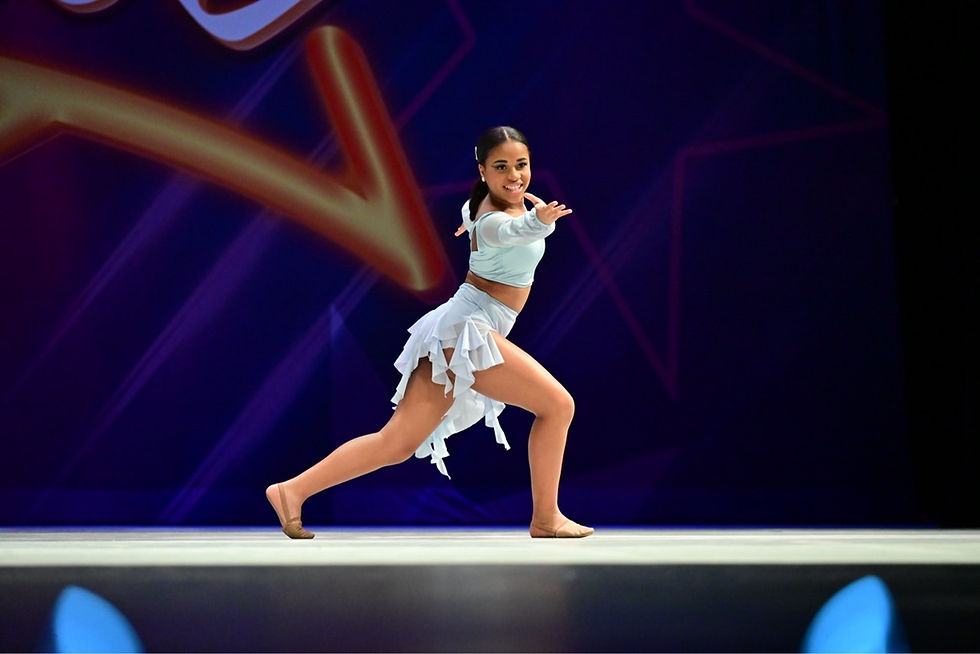
One of the most common things parents hope their child gains from dance is confidence.
But confidence is also one of those things that can be difficult to define.
Many people picture a confident child as the one who walks into a room without hesitation, volunteers to go first, and feels comfortable being in front of others.
While that may describe some children, confidence looks different for everyone.
Sometimes confidence looks like raising a hand to ask a question.
Sometimes it looks like trying a new step even when you are not sure you will get it right.
Sometimes it looks like walking into class without needing a parent beside you for the first time.
After years of teaching, one thing we have learned is that confidence usually does not come before the challenge.
It comes because of the challenge.
And that is one of the most valuable things dance can teach children.
Confidence Starts With Feeling Safe Enough to Try
Every dancer has a beginning.
For some children, the first dance class feels exciting. They walk in ready to move, meet new friends, and try something new.
For others, it takes a little more time.
They may watch the class before joining in.
They may stay close to the teacher.
They may feel unsure because everything is unfamiliar.
That is completely normal.
Before children can feel confident, they need to feel comfortable.
A positive dance environment gives students the space to learn without feeling like they have to be perfect right away.
When children know they are supported, they are more willing to take chances.
And taking chances is where growth happens.
Confidence Comes From Small Wins
Most confidence-building moments in dance are not huge, dramatic moments.
They happen little by little.
It might be the first time a dancer remembers an entire combination.
It might be finally getting a skill they have been practicing.
It might be performing in front of an audience after feeling nervous for weeks.
Those moments teach children something important:
“I can do hard things.”
The skill itself matters, but the bigger lesson is the process behind it.
They learn that improvement comes from practice.
They learn that frustration does not mean failure.
They learn that they are capable of more than they originally thought.
Learning to Handle Corrections Builds Resilience
One unique part of dance education is learning how to receive feedback.
In a dance class, teachers are constantly helping students improve.
A correction might be about posture, timing, technique, or performance quality.
For young dancers, this can be a new experience.
They are learning that being corrected does not mean they did something wrong. It means they are learning.
This is an important mindset shift.
Instead of thinking:
“I’m bad at this.”
They learn:
“I’m still working on this.”
That difference matters.
The ability to accept feedback, make adjustments, and keep trying is a skill children will use throughout their lives.
Dance Teaches Children That Progress Is Personal
One of the hardest things for children to learn is that everyone develops at a different pace.
In a dance class, students may be learning the same choreography but mastering different parts of it.
One dancer may naturally pick up musicality quickly.
Another may be incredibly flexible.
Another may take longer to remember choreography but have amazing performance quality.
Every dancer brings different strengths.
A healthy dance environment teaches students to focus on their own progress instead of constantly comparing themselves to others.
The goal is not to become someone else.
The goal is to become the best version of yourself.
Confidence Is Not the Same as Being the Best
Sometimes people assume the most confident dancer is the dancer with the most experience, the highest flexibility, or the most advanced skills.
But confidence is not about being the best person in the room.
Confidence is trusting yourself.
A dancer who tries something difficult, makes a mistake, and tries again is building confidence.
A dancer who walks into class after a frustrating week and continues working is building confidence.
A dancer who celebrates someone else’s success while continuing their own growth is building confidence.
Those qualities matter far beyond dance.
How Parents Can Help Build Confidence Through Dance
Parents play an important role in helping children develop a healthy relationship with dance.
One of the best things parents can do is focus on the process, not just the outcome.
Instead of only asking:
“Did you win?”
or:
“Did you get the part?”
Try asking:
“What was your favorite part of class today?”
“What was something you worked hard on?”
“What is something you improved?”
These questions teach children to notice their own growth.
It also helps them understand that their value is not tied to a placement, a role, or a perfect performance.
From Our Studio
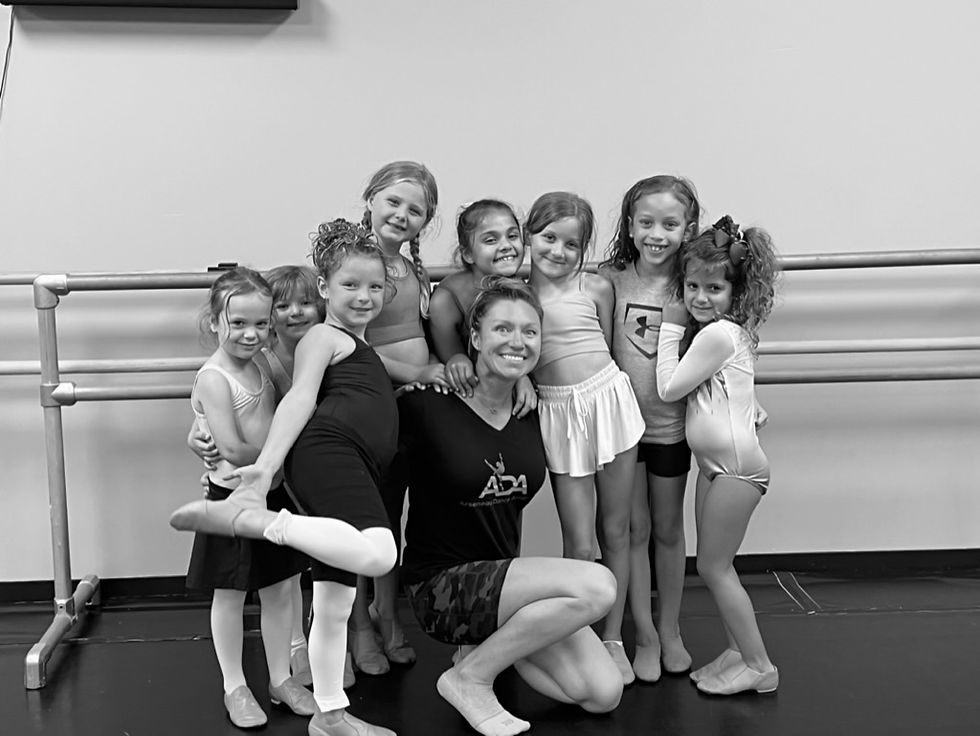
Some of our favorite moments as teachers are not always the moments that happen on stage.
Sometimes they happen quietly in the classroom.
It is watching a student who used to sit out join the group.
It is seeing a dancer who was nervous about performing walk onto the stage with confidence.
It is watching students encourage each other and celebrate progress.
Those moments are reminders that dance is about much more than learning choreography.
It is about helping children discover what they are capable of.
Building Confidence One Class at a Time
Confidence does not appear overnight.
It is built through experiences, encouragement, and the willingness to keep trying.
Dance gives children a place to practice those skills in a supportive environment where they can learn, grow, and challenge themselves.
At Arseneau Dance Academy, our goal is not only to teach dancers how to move well. We want students to leave class feeling more confident, more capable, and proud of the progress they are making.
Whether your child is taking their first dance class or continuing their training, we would love to be part of their journey.

Comments